

197 7th Ave New York, NY 10011212-206-7777
24/7 Emergency Locksmith Services

Locksmith videos

Types of Home Security Systems

Posted onApril 3, 2016byadmin

There’s a wide variety of home security systems currently on the market. Choosing between them to find which one is best for your home can be very daunting. Installing a security system at your home ensures the protection of your family and property – making them an absolute must; however it’s always best to utilize the absolute ideal security system for the needs of you and your family.

Monitored Security System

These alarm systems are commonly used throughout the world, and carry their own list of pros and cons. The system, when triggered, will alert a call center which will then contact your local police. Since this system works through your outside telephone lines, your burglar could potentially disrupt it by locating and cutting your phone lines. Even when tripped the system would be unable to notify the call center, so the police would never be called. One potential for a substitute for a monitored alarm is the use of a cell phone or radio instead of a landline alarm. The other potential drawback to these kinds of alarms is that even when the alarm is set off, it will take some time for the police to arrive – meaning by the time they do get there, the burglar will have had plenty of time to grab valuables and get out of there. Even with these drawbacks, these kinds of alarm systems are some of the most expensive on the market.

Non Monitored Alarm Systems

This other type of alarm system sets of an incredibly loud siren both inside and outside the house when the alarm is tripped. This sort of system relies on healthy contact with your neighbors, so that they will know to call the police when the alarm goes off and you’re not home. One of the best aspects of these systems is the fact that they don’t have monthly fees, meaning that it’s much more affordable than monitored systems. These systems can also be installed with bright flashing lights so people can be more clear on what house the alarm is sounding from. Usually, loud sirens will be enough to make any burglar leave immediately, as there will immediately be a ton of attention focused to the house. Of course, one disadvantage is that you will have to rely on your neighbors vigilance in hearing the alarms and calling the police; if your neighbors are often away, or aren’t likely to hear or call the police, these alarms could potentially not do that much for your home security – especially if you don’t have neighbors and live in the middle of nowhere.

Wireless Alarms

These systems can often be found at regular, local hardware stores. There’s both advantages and disadvantages to these kinds of security systems. One of the chief advantages is that they are quite simple to install and carry no monthly monitoring fees – you can simply decide whatever settings that you prefer; there’s many options including cameras, beams, sensors, or motion detectors. Some of the drawbacks to these systems is the space limit between sensors and cameras, and the need to replace batteries quite often – which can eventually become pretty pricy.

Electric Current Based Alarm Systems

Just like the rest of the types of alarm systems, electric current based home alarms carry their own sets of advantages and disadvantages. These alarms are usually installed in homes during their construction, so they can mostly be found in newer homes. It monitors doors and windows and sounds a beeping noise when they are opened. This is a fantastic feature for both preventing burglaries, but also ensuring that your children aren’t opening doors and windows of your home. Some of the disadvantages of this type of system is that electrical current flows from outside can disrupt your alarm signal and render it incapable of working – for example, lightning can affect these systems and render them inoperational for a period of time.

Common kinds of Door Repairs

Posted onMarch 23, 2016byadmin

Many locksmiths and door repair experts find that a malfunctioning lock is the product of a non-working door. In this short blog post, I’ll detail some of the most common door malfunctions that interfere with the ability of locks to function.

Door Jamming

This is usually the result of the heavy forced use of the lock – some element is shaken out of place and the multipoint lock gets stuck, preventing the door from being able to be opened. This is repaired by unjamming the internal lock mechanism, and replacing its center case – or the entire lock unit if it is called for. This calls for different operations based on the different types and brands of locks.

Misaligned Doors

Sometimes the weight of a door will drop from the weight of it’s own load-bearing – this can make hinges loosen, cause warp in the door structure, or break the lock itself. These repairs are typically simple, unless the door is severely warped (usually from people hanging off it) or incorrectly installed in the first place – but usually this requires little else besides a few turns of the hinge adjuster at the top of the door. If the hinges of the door still require some adjustment, you can toe and heel them to restore the door to working order.

Security Improvement

By upgrading European style locks to high security door handles with anti snap functionality, you quickly and exponentially increase the security of your space. This is a matter of simple re-keying, or complete hardware replacement – and a broad number of hardware options exist which range from aesthetic to functional differences.

Top Tools Used by Locksmiths

Posted onMarch 17, 2016byadmin

Just like any other manual trade, locksmithing requires it’s own set of tools. It’s incredibly important that every locksmith has a full range of tools – as many different situations call for different tools, and the only way to be fully prepared for any situation that they might come across. The full range of tools available can be a bit daunting for beginners – in this blog post we’ll be taking a look at the most common and essential tools that locksmiths use in their trade.

Pick Gun

This tool is incredibly widely used – and comes in both electrical and manual iterations. They function similarly to key turners, but move in an upwards motion forcing the lock pins to jump up, unlocking the lock. This tool can also be used by burglars.

Key Turners

This tool can be used when you accidentally lock yourself out of your house. Similarly to a pick gun, it rotates whatever key is on the other side of the lock, unlocking the door. Usually this tool only works on second or third lever locks.

Key Machine

This tool cuts keys of all types, including circle keys, padlock keys, or cabinet keys. Unlike manual key duplication where a locksmith makes exact replicas, key machines makes a working key using a pre existing key’s code numbers. These machines come in automatic, semi-automatic, or manual categories, and offer engraving add-ons that can make cutting burrs, key rings, key tags, or opening cards.

Tension Wrench

The bread-and-butter of locksmiths, this device functions through applying pressure inside the mechanism of the lock to release it, opening the door. Using the tension wrench, the locksmith applies force to the cylinder, and then uses a lock pick, pulling up all the pins until they are completely flush with the line, aligning perfectly and unlocking.

Power Drill

The holy grail to the bread-and-butter of the Pick Gun, these tools are some of the most essential tools of the entire locksmith trade. Drills vary according to many different sizes, brands, and materials – it’s use is simple. It drills holes through doors so that locks can be fitted into them and properly installed with no extra space.

Professional Home Security Assessment

Posted onMarch 3, 2016byadmin

This blog post will help you assess the security of your home on a professional level . Risk assessments help you balance the cost of the defensive strategy against whatever losses might happen if it isn’t implemented. It’s important to remember that value is subjective – and that the safety of your household is utterly priceless . Risk assessment will help you be prepared in the event of a home invasion or other disaster.

Kinds of Risks

Business Risk

If you use your home as your office, having any sort of records, computers, servers, or other business information stolen can prevent you from working – compromising the effective progress of your business.

Fraud / Identity Theft

This involves the theft of information that can in turn be used to steal money, valuables, or other records. This can destroy your credit.

Legal Risk

If your property isn’t equipped according to legal regulations you may put yourself in financial risk.

Lost Property

Some objects are irreplaceable – whether the value is sentimental or monetary.

When you’re assessing the threats to your property, be realistic – research what sort of natural disasters might affect your area. Yes, this includes nearby trees that could damage property. Assess your security – checking your locks, camera, doors – or any of the variables of your property that could pose a danger or vulnerability. Proper installation of any latches, locks, or security tools is of key importance; a lock pretty much doesn’t mean anything if it’s, for example, installed on the outside of a window. Additionally, if there’s multiple people who can access the property, it’s more vulnerable.

Layers of Protection

Locks

Any and all locks should be installed correctly and functioning properly – and if it works, use it!! Any unused or unimplemented lock is pretty much the same thing as having no lock at all then your security is compromised.

Gates

These can be controlled with a padlock, or electronic lock which can be remotely controlled. The code or key controlling the gate can either be shared amongst your household / business or controlled by a single individual – it’s also possible that a guard or attendant could be assigned to the sole operation of this gate.

Window Protection / Visibility

Windows can be incredibly vulnerable – make sure to always lock them. If you want to continue to up your security, install bars in them, or have them tinted according to a 3M security film, reducing the likelihood of potential criminals peering in. Visibility also affects security on the outside of the home – the less hiding spots or coverage there is on the outside of home, the more reduced likelihood of a burglary – make sure that there’s full perimeter visibility around your building.

Security Cameras / Motion Sensors

Non-operational security cameras can be utilized as an effective deterrent to any potential burglars, while fuller security systems that offer remote alerts can help notify law enforcement automatically if your security is ever messed with. Motion sensors protect against unwanted activity in a number of ways – they can sound alarms or flash warning lights as deterrents, or contact law enforcement.

Alarms

A well operating alarm is one that not only alarms the burglar (increasing the chance that they will abandon whatever crime they are trying to commit) but one that alerts neighbors that can contact law enforcement as soon as possible – assuming you’re not already home. As a general rule, the louder the alarm is, the better.

Redundancy

The more layers of protection that you have the better. By using redundant security laters, you’re exponentially increasing the security of your home.

Questions to ask yourself when assessing your home security.

What valuables do I keep in my home?

How easily could I self install security hardware?

Is there crime in my area?

Do I own my home (can I make structural changed?)

Who has access to my home?

Do the windows all lock from the inside?

Is there a tree with which the roof of the property can be accessed?

Are there any known threats?

Do you have operating alarms?

Ask yourself these questions in order to assess the amount of security layers you need to add to your home; a home security professional, like those at Chicago Locksmiths, can expertly and efficiently install any security assets you need.

How to Protect your Luggage from Theft in Airports

Posted onFebruary 8, 2016byadmin
luggage

In the world we live in, protecting one’s own property becomes something to be prepared for. Many people consider suitcases to be somewhat “unprotectable” over international flights – simply due to the long amount of time these bags are being handled by strangers, or placed out of site. Regardless of the measures taken by airports and the FAA to protect flyers from theft, an amount of thefts of property always occur at airports. So you’re left asking yourself, how can I protect my luggage from people that would want to steal from it?

Strong Suitcases

There’s multiple factors to consider in securing your luggage before flying. Before we discuss locks, let’s talk about the physical structure of the luggage itself. If your suitcase has a fabric body with a zipper, a lock isn’t going to exactly do you well. The bag can easily be cut open (by people who wouldn’t care if you discover the theft) but can also be opened with a common airport theft trick. This trick involves the use of a ballpoint pen to puncture the zipper opening, run along it’s length, opening the bag with no signs of entry. In fact, TSA agents use this technique to inspect suitcases.

It’s worth putting in the investment for a hard sided durable suitcase. These suitcases differ from the typical ones because they aren’t made of easily severed fabric, but a hard, almost impenetrable siding. Additionally, there will be a hasp system which you can place locks on. These cases can’t be opened with pens like typical suitcases. When looking for hardsided suitcases, it’s good to test them in person so you know what you’re getting. Test if the material can’t be broken, and that the lid is sealed tight when shut. If there’s any gap in the seal, it’s not the ideal case.

Finding a Durable Lock

Buying a durable lock is absolutely something you should do. First of all, you need to choose a lock that properly fits the case – so that there’s no gap when it’s fully closed. If you’re shackling the zipper tight, the lock’s shackle should be thin enough to fit inside – however, the thinner the shackle, the easier it is to cut or break off.

I certainly don’t advise getting one of the pre-made TSA approved locks. It’s shackles are incredibly flimsy and can be cut with a pair of ordinary household tools. They can be picked easily – not to mention the fact that the schematics of the inner lock has been publically available on the internet for years – so somebody could make a skeleton key that works for it.

Instead, I recommend getting a high security lock, like a padlock. Don’t skimp on price – invest in a well made, solid lock that can resist many different kinds of entry attempts. I also recommend getting a lock with internal ball bearings that prevent thieves from being able to shim it.

Levelled Security

Try getting a lock with as many security features – and pins – as possible. 5 is the average, and serrated pins work the best. Using a lock with a shroud over the shackles make it much harder for thieves to cut through it. On the average, competent high-security locks can be found for around 25 dollars. Brands like Best, Mul-T-Lock , and Medeco are always a good bet. It also helps to combine multiple locks that aren’t from the same company – this would protect your property from criminals with single break-in methods.

As additional security tactics, never put irreplaceable valuable items inside your checked luggage – instead, bring it with you in carry on. Additionally, you might want to use saran wrap, zip-ties, or tape to show you if your suitcase has been opened. It’s definitely an effective deterrent to criminals who don’t want to waste time getting through a zip tie and get caught. As many levels of security as possible is highly advised – any additional, unfamiliar level with effectively deter criminals. The best solutions are the one’s that you cater to your specific situational needs. Find whatever weak links figuratively or literally exist in your luggage, and reenforce and strengthen them. By utilizing layered security, you can protect your luggage in airports, or really any transportation environment.

TUBULAR LOCKS

Posted onJanuary 6, 2016byadmin
locks tumb

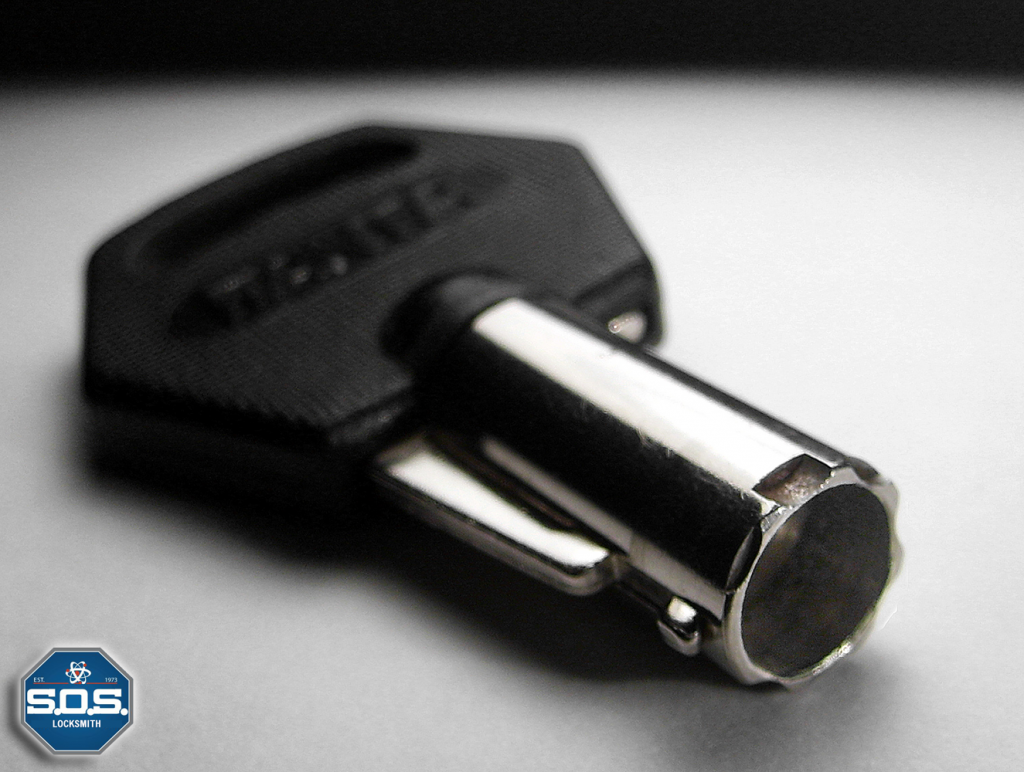
The device widely known as a tubular lock is also referred to as a circle pin tumbler, an Ace lock, or a radial lock. Similar to how tissues are ubiquitously/colloquially referred to as Kleenexes, tubular locks are sometimes called Ace locks due to Ace being the company that originally manufactured this type of lock. They can commonly be found on commercial / industrial tools that are standing unattended for long periods of time – think of vending machines, for example. Tubular locks are generally considered to be of a higher security level than tumbler and wafer locks – mostly because of their scarcity; thieves aren’t as likely to know how to pick or cut them. In this blog entry I’ll go over some of the details about the structure and function of tubular locks.

Tubular Lock Structure

Tubular locks are named so because the keyway is encased in a cylinder. The circular keyhole is joined to a tumbler system common to other kinds of locks, however it differs in that it’s key pins are pushed in along a horizontal axis, rather than vertically like other kinds of locks. The mechanism that holds the key pins in (the plug) is built into the same cylinder as the mechanism that holds the springs and drivers – (the bible.) The key is circular, with outside facing grooves – and it can only be inserted into lock from a particular configuration.

Pick-Proofing

For the most part, tubular locks are tougher to pick than other locks. This isn’t to say that it isn’t possible to pick it – and like all locks, the security level of the lock varies depending on its particular model, make, and brand. However, tubular locks typically take a much longer amount of time to pick than other locks – a valuable feature, as the longer it takes for thieves to pick a lock, the higher their chances of being caught and apprehended. This makes tubular locks a great preventative deterrent.

Technically, you can define tubular locks as being slightly different pin tumbler locks – they aren’t military grade security locks, but they work well and reliably. I mean to say that these locks – for the most part, the one’s common to consumers – aren’t fit to prove impervious to the advances of a highly seasoned lock-breaker; however, they certainly add a level of security to property that, combined with other measures, provide a solid line of defense against theft. If you’re interested in finding a tumbler lock right for you, I recommend searching online or through your local locksmith’s inventory for one with the features suitable to your specific security needs.

Mortise Lock Installation

Posted onMay 26, 2014byadmin

Why Choose a Mortise Lock?

Other advantages include the fact that there is not a lot of the lock being exposed when a person uses a mortise lock. This makes it a great deal more difficult for potential thieves and other wrongdoers to attempt to sabotage it, increasing the security that it is able to provide exponentially. This, combined with being able to accommodate pretty much any type of lock, including those that provide the highest security level, creates a very potent lock that is not easily bypassed.

What is the Installation Process?

Although there is no single method of preparing a door to have a mortise lock installed, there are some similarities from installation to installation. Most mortise locks will need a 2-1/8″ cross bore at a 2-3/4″ back set. It does not matter if the additional holes will need to be drilled because the mortise lock will cover them so that they cannot be seen. The main reason why there is no standard preparation procedure is because each mortise lock varies based on the company that is manufacturing it.

There are numerous different jigs and templates that are available for installing mortise locks. The best companies will provide aluminum templates that have been made through machining methods. These templates can be used to show the person installing the lock exactly where to drill the holes and create the openings for a specific manufacturer’s locks. The templates will be attached to the door by using clamps. Then, drill bits and other tools that are required by the template can be used to make the holes.

Templates are used to reduce the chances of the door being damaged. However, it is always recommended to take an extended period of time with installing mortise locks in order to further decrease the chances of damage.